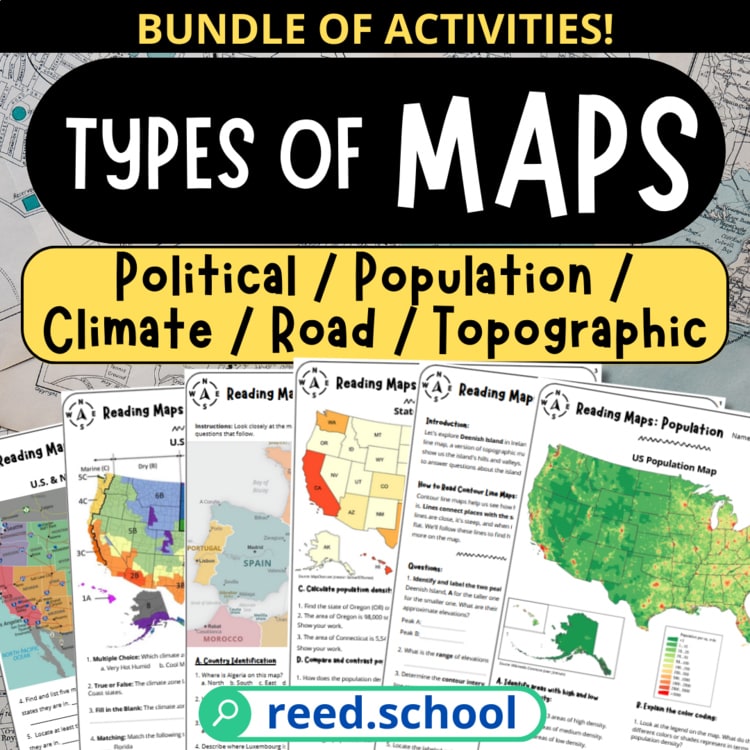
Types of Maps
Students learn to recognize, read, and compare five common map types.
The resource index
A useful starting point for your next lesson. Browse a small, considered selection of Reed.School resources.
Geography / Map skills
Start with a question. Find the map that can answer it.
Explore the Map Lab →17 resources on this shelf
Purchases & downloads on TPT ↗Students learn to recognize, read, and compare five common map types.
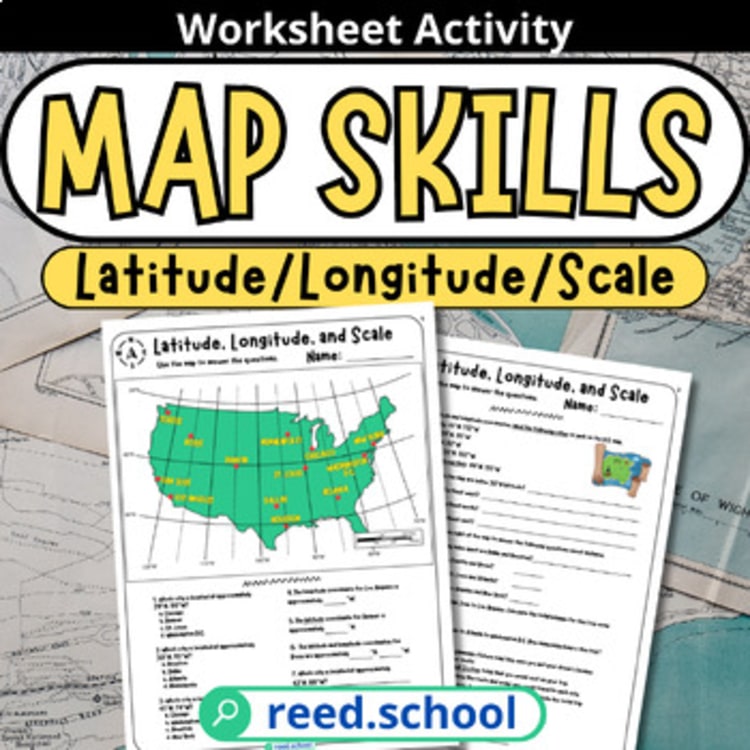
Students locate U.S. cities and calculate distance using latitude, longitude, and map scale.
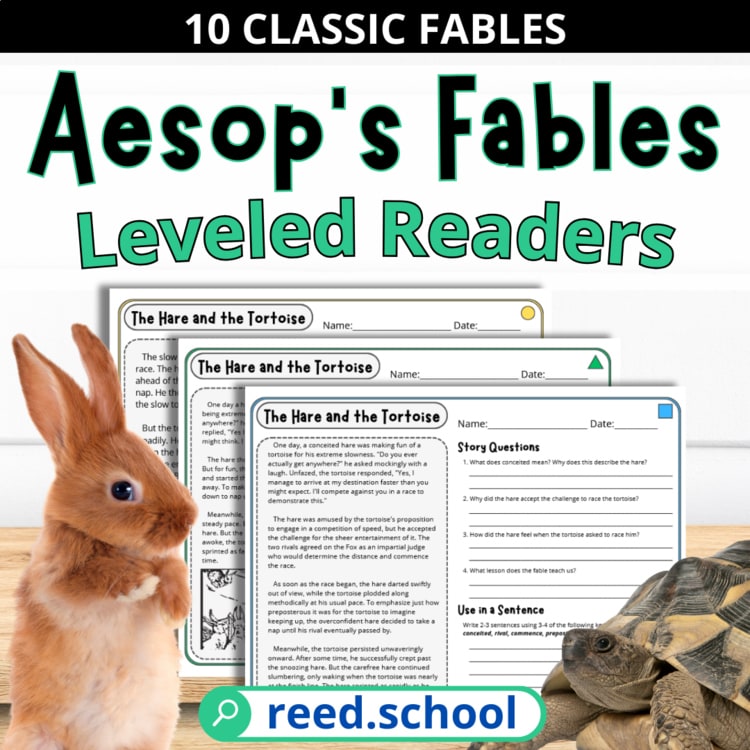
Mixed-level readers explore the same ten classic fables at an accessible challenge level.
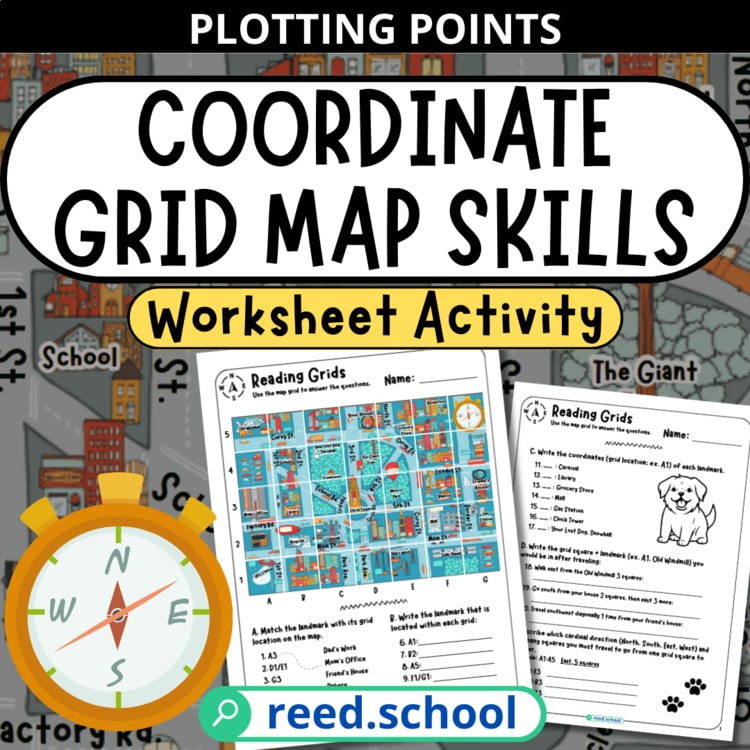
Students build confidence reading, plotting, and navigating an alphanumeric coordinate grid.
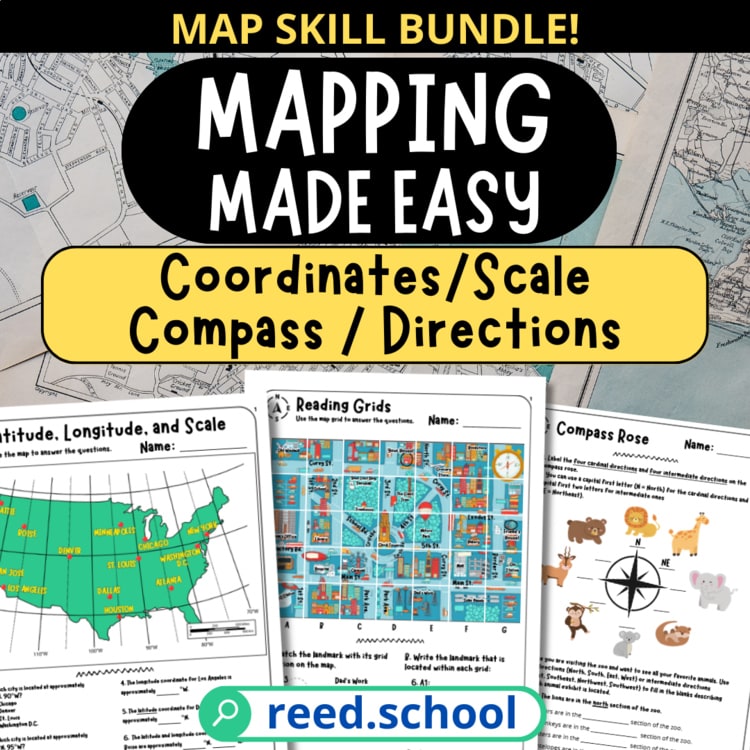
Students practice the core map-reading skills they need to navigate maps independently.
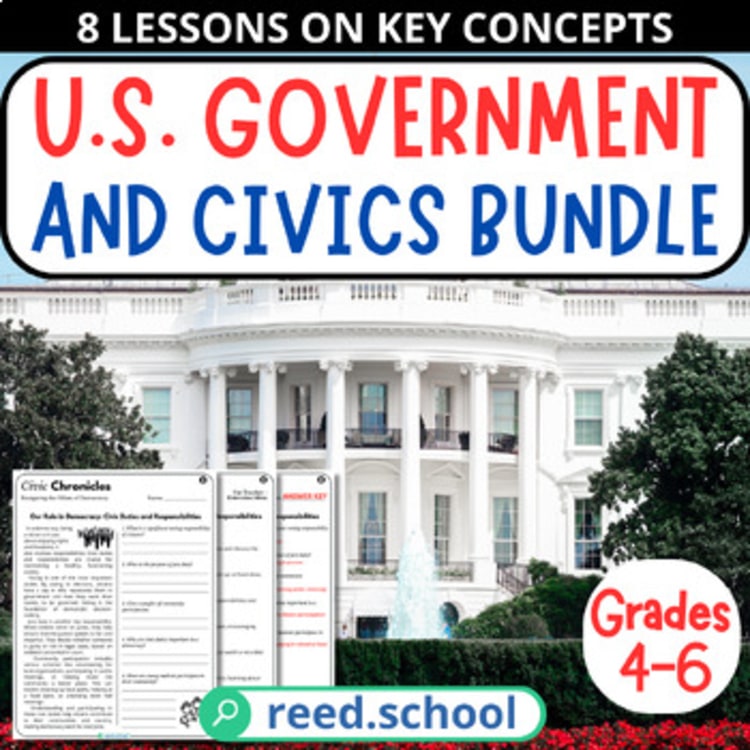
Students understand the systems, documents, and civic responsibilities at the heart of U.S. government.
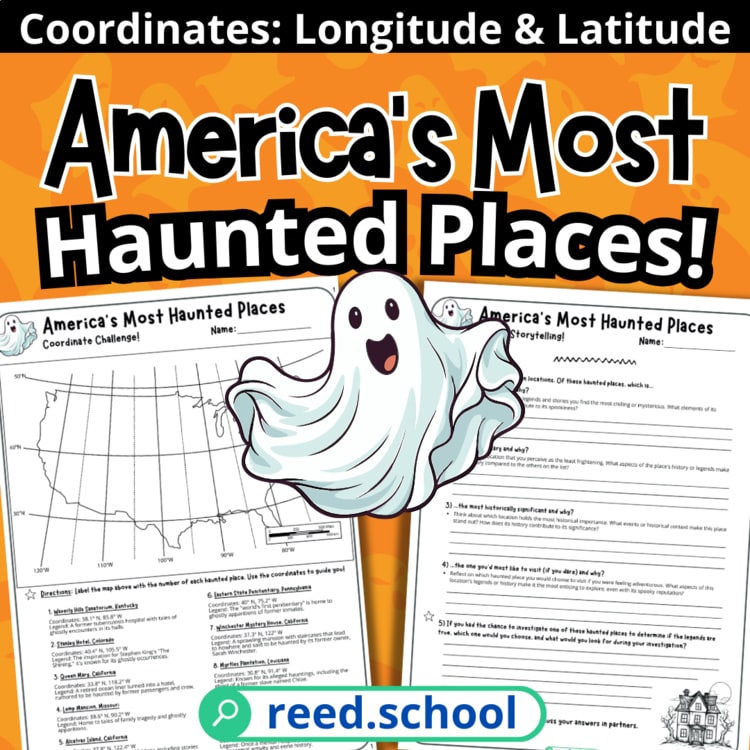
Students use coordinates and critical thinking to investigate ten eerie American locations.
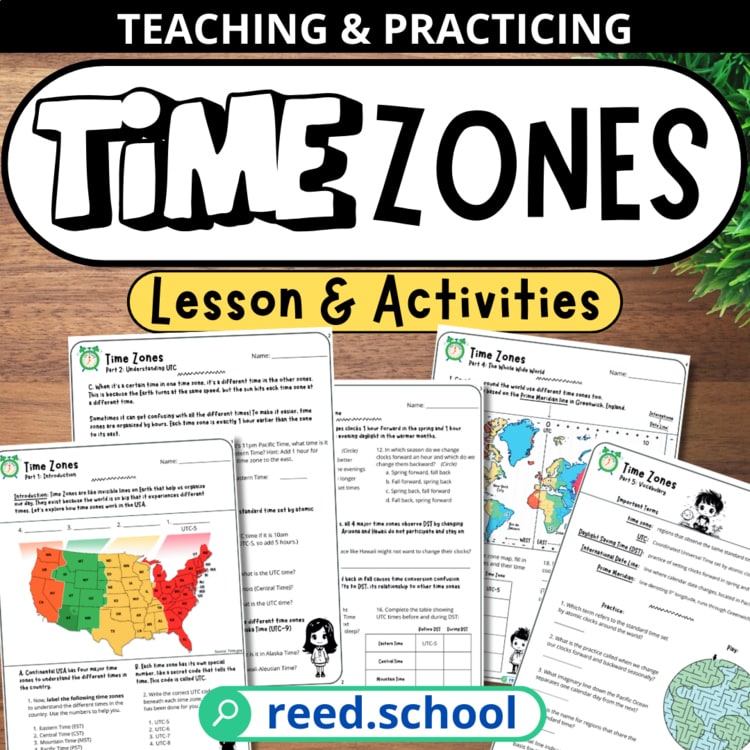
Students calculate and explain time differences across U.S. and world time zones.
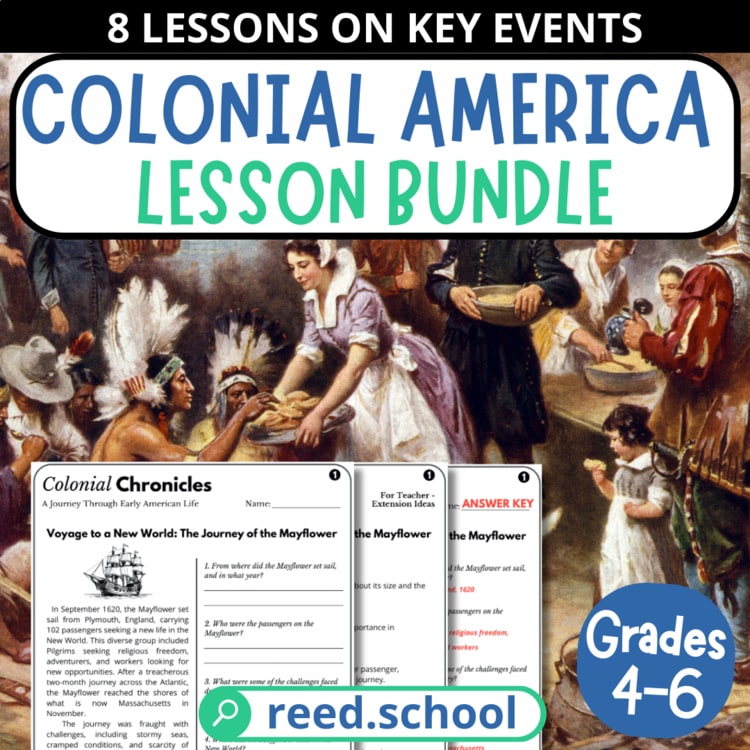
Students connect major colonial events with the daily experiences of people in early America.

Students investigate the geography and culture of every inhabited continent through active research.
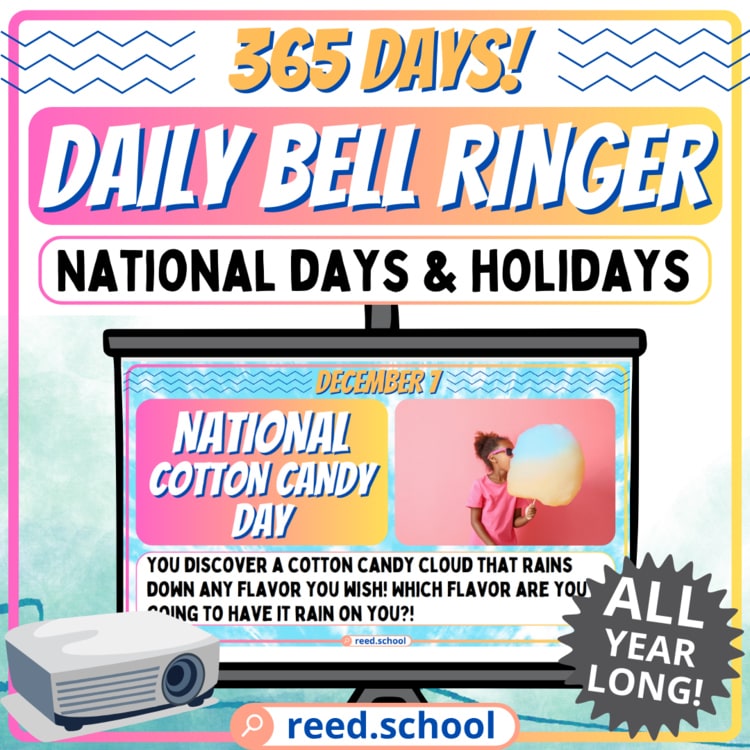
Teachers can begin every day with a fresh prompt that gets students writing and talking.
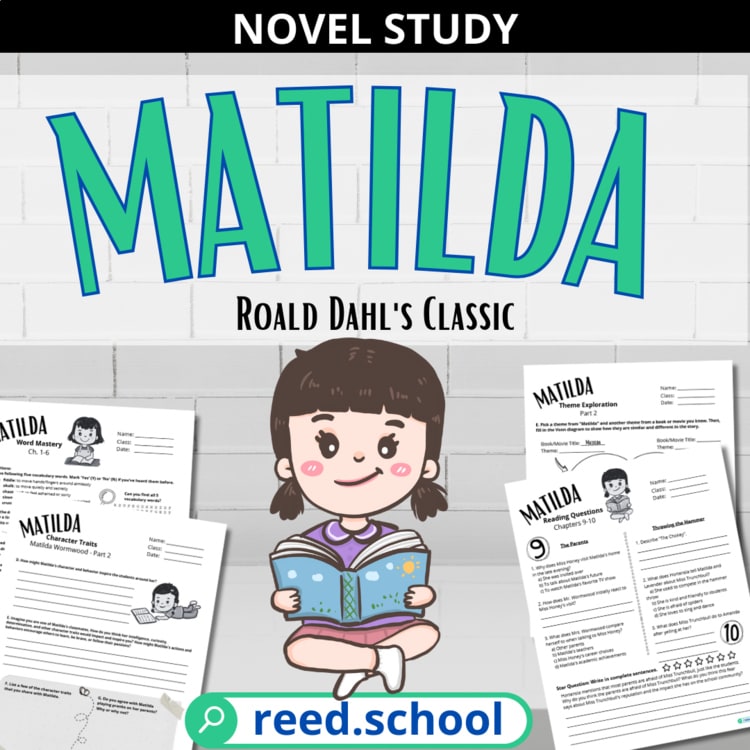
Students deepen comprehension of Matilda through varied analysis, vocabulary, and creative response.
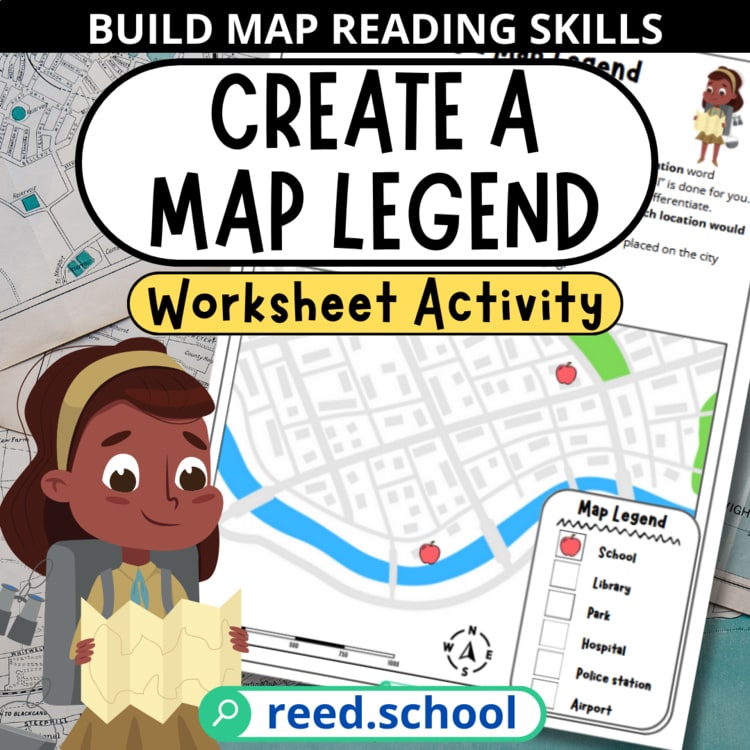
Students learn how map symbols work by inventing and applying a legend of their own.
Free resource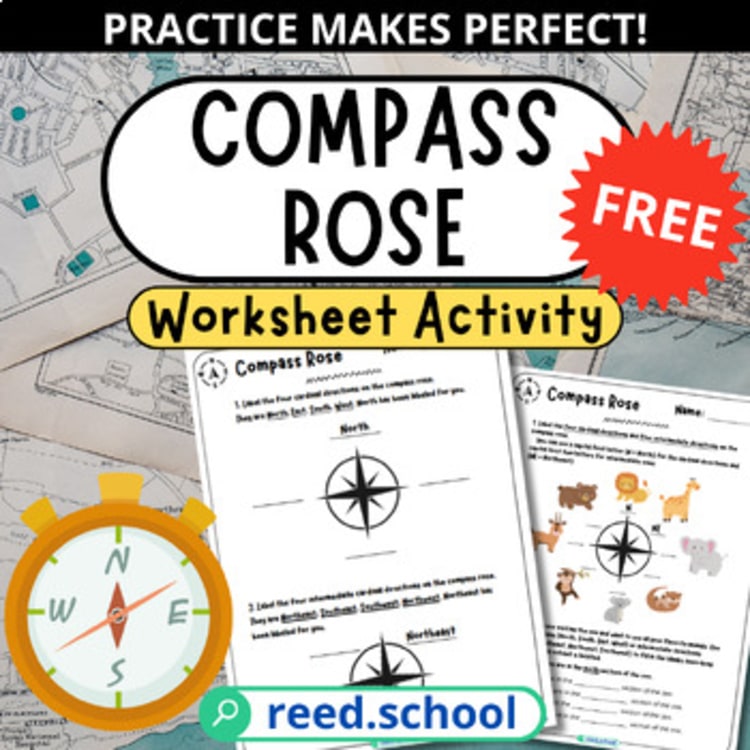 Get it free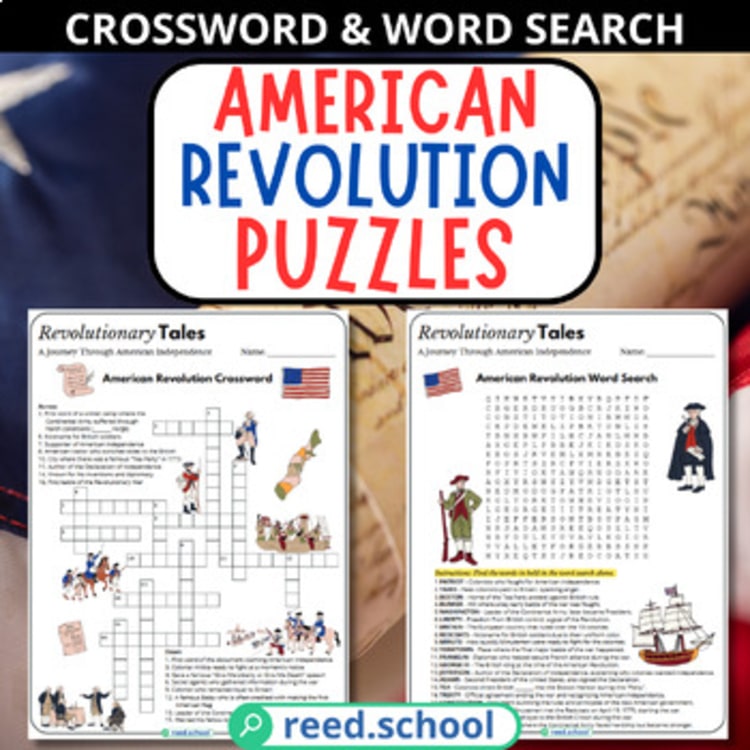
Students reinforce key American Revolution people, events, and vocabulary through two familiar puzzles.
Free resource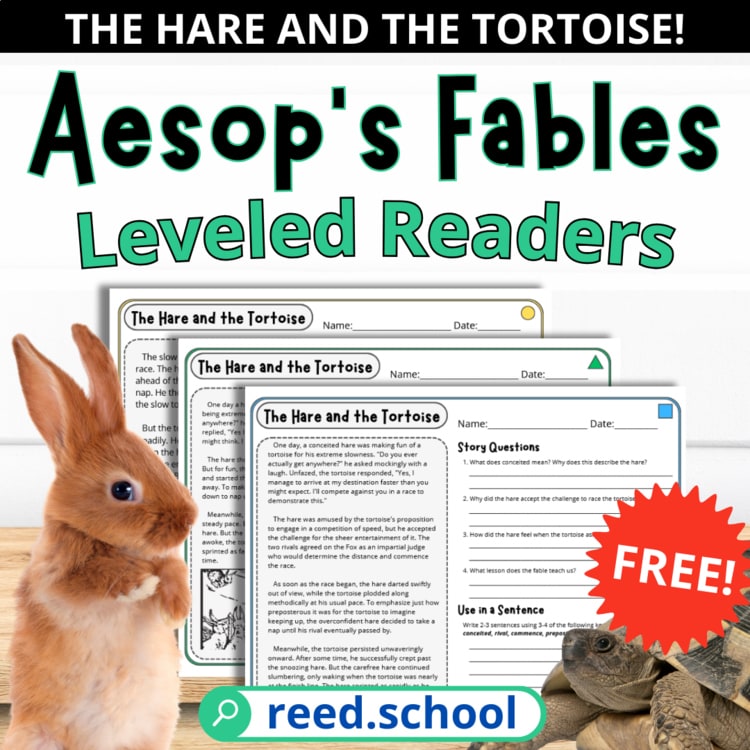
Every student can read and discuss the same fable at an appropriate level.
Free resource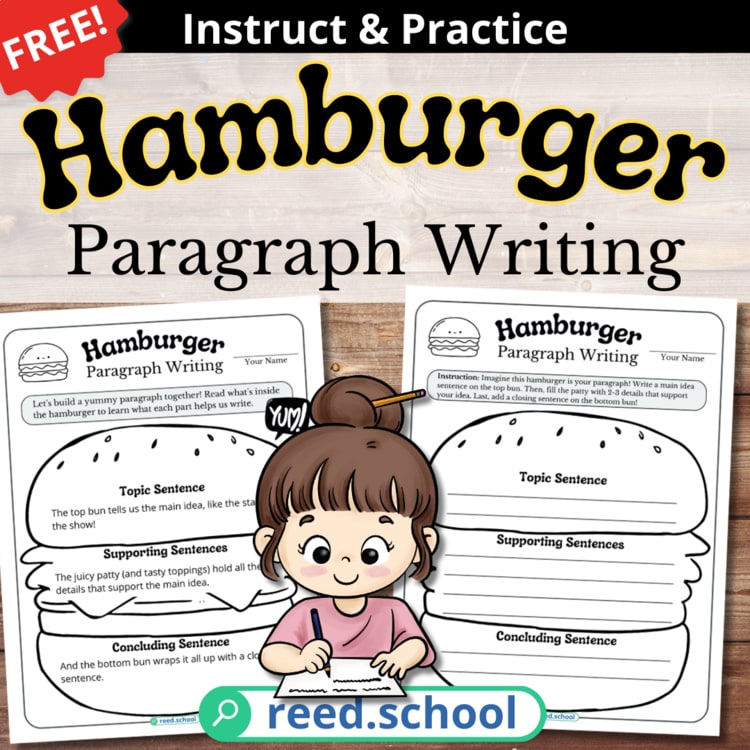
Students organize a focused paragraph with a topic sentence, supporting details, and conclusion.
Free resourceTry a broader topic, another grade band, or clear the filters to return to this shelf.
Browse the full TPT catalog ↗Find your next lesson
Choose what matters for this class. The finder will surface three useful starting points—no account or endless catalog scrolling.
Your field notes
This is a curated selection. Visit the full Reed.School catalog on TPT ↗